What if your customers could leave your brand with a single click and never come back? In 2026, that’s not a hypothetical scenario; it’s the reality of a hyper-digital, choice-saturated marketplace. Brands are no longer competing only on price or product but on experience, trust, and emotional connection. Customer loyalty has become the ultimate competitive advantage, directly influencing retention, revenue, and long-term growth. This guide explores how to build loyalty in the new era of marketing using data, personalization, and digital-first strategies.
In today’s landscape, loyalty is shaped by seamless experiences, personalized interactions, and consistent value delivery. Businesses must go beyond transactional relationships and focus on building meaningful connections with their audience. Modern consumers expect brands to understand their needs, anticipate their preferences, and reward their engagement. This shift has made customer loyalty strategies more complex yet more impactful than ever before. Companies that adapt to these expectations can create lasting relationships that drive sustainable success.
Why Customer Loyalty Matters More Than Ever
Customer loyalty is no longer just a retention metric; it’s a growth engine. Loyal customers tend to spend significantly more than new ones, making them a highly valuable segment for any business. They also act as brand advocates, promoting your products through word-of-mouth and social sharing. In a digital-first economy, this organic promotion can significantly reduce customer acquisition costs. Ultimately, loyalty builds a stable revenue base while enhancing brand credibility.
Beyond revenue, loyalty strengthens brand resilience in competitive markets. When customers trust your brand, they are less likely to switch to competitors even when alternatives are cheaper or more convenient. This trust translates into repeat purchases and long-term engagement. Additionally, loyal customers provide valuable feedback that can guide product and service improvements. Investing in loyalty is not optional it’s essential for sustainable business growth.
Collecting and Utilizing Data Effectively
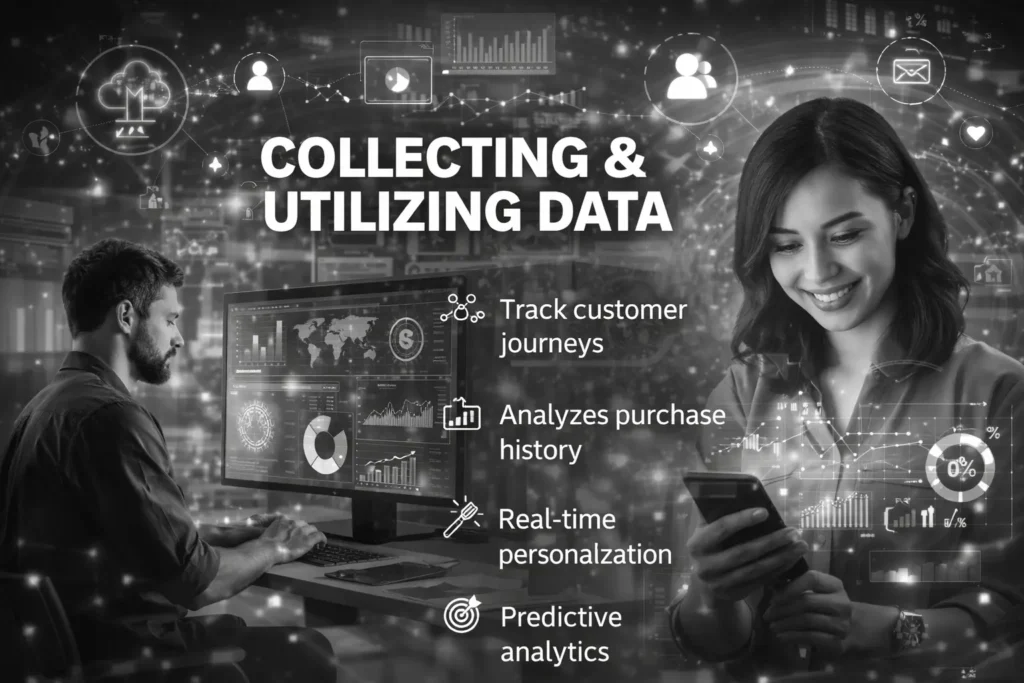
Data is the backbone of modern customer loyalty strategies. Businesses now have access to vast amounts of customer data through websites, apps, and digital platforms. This data enables companies to understand customer behavior, preferences, and purchasing patterns. When used effectively, it allows for highly personalized experiences that increase engagement and satisfaction. However, the real value lies in transforming raw data into actionable insights.
To maximize the impact of data-driven loyalty strategies, businesses should focus on:
- Tracking customer journeys across multiple touchpoints
- Analyzing purchase history and engagement behavior
- Implementing real-time personalization
- Using predictive analytics to anticipate needs
- Ensuring data privacy and transparency
By leveraging these techniques, brands can create tailored experiences that resonate with individual customers. Data-driven decision-making not only improves customer satisfaction but also strengthens long-term relationships. In 2026, personalization powered by data is a key differentiator in building loyalty.
Providing Human-Centered Digital Experiences
In a world dominated by automation, human connection remains a powerful driver of loyalty. Customers want to feel valued, understood, and appreciated by the brands they interact with. Even in digital environments, businesses can create human-centered experiences through personalized communication and empathetic engagement. This approach builds trust and fosters emotional connections that go beyond transactions. Ultimately, human interaction transforms customers into loyal advocates.
Brands can enhance human interaction by aligning their values with customer expectations. Demonstrating authenticity, social responsibility, and transparency can significantly impact customer perception. Personalized messaging, responsive customer support, and meaningful engagement on social media are key strategies. Businesses should also invest in training teams to deliver consistent and empathetic experiences. By prioritizing human connection, companies can differentiate themselves in an increasingly automated world.
Strengthening Your Digital Presence
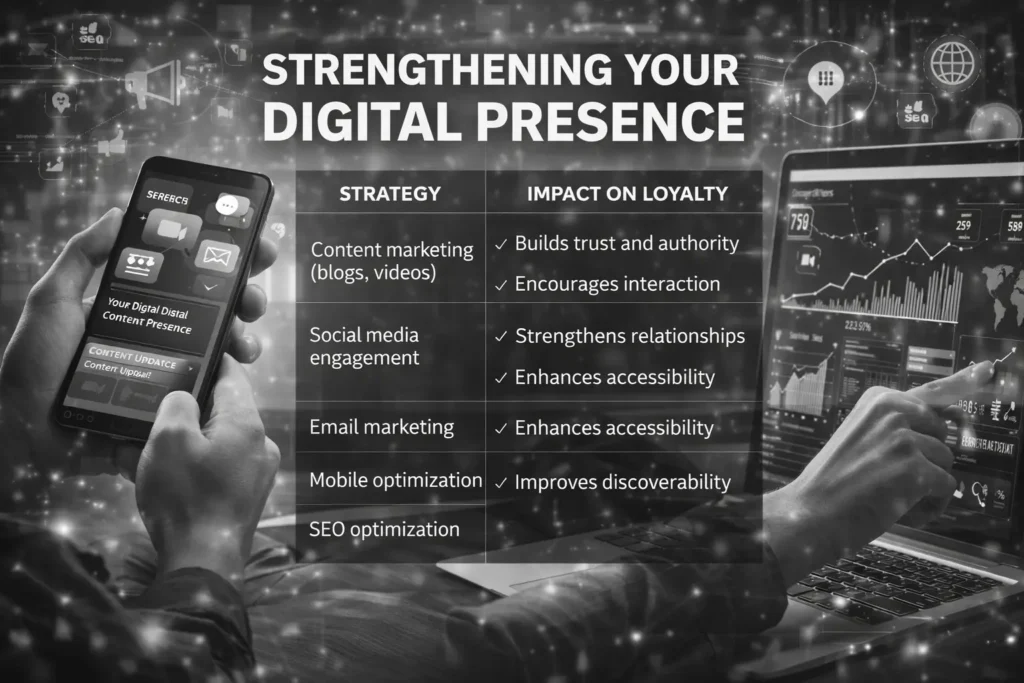
A strong digital presence is essential for building customer loyalty in 2026. Your website, social media channels, and digital content serve as the primary touchpoints for customer interaction. A well-optimized website with engaging content can significantly enhance user experience and retention. Regular updates, interactive features, and seamless navigation are critical components of a successful digital strategy. Without a solid digital presence, even the best products may go unnoticed.
To build an effective digital presence, businesses should:
| Strategy | Impact on Loyalty |
| Content marketing (blogs, videos) | Builds trust and authority |
| Social media engagement | Encourages interaction |
| Email marketing | Strengthens relationships |
| Mobile optimization | Enhances accessibility |
| SEO optimization | Improves discoverability |
Consistency across all digital channels is key to maintaining customer trust. Businesses must ensure that their messaging, branding, and user experience are aligned. By investing in digital presence, companies can create a cohesive and engaging customer journey that fosters loyalty.
Leveraging CRM Tools for Personalization
Customer Relationship Management (CRM) tools have become indispensable in modern marketing strategies. These platforms enable businesses to store, analyze, and manage customer data efficiently. By leveraging CRM systems, companies can gain insights into customer behavior and preferences. This information allows for targeted marketing campaigns and personalized interactions. As a result, CRM tools play a crucial role in building and maintaining customer loyalty.
Modern CRM platforms offer advanced features such as automation, segmentation, and analytics. Businesses can use these tools to deliver personalized offers, track customer interactions, and measure engagement. Automation helps streamline processes, ensuring timely and relevant communication with customers. Additionally, CRM insights can guide strategic decisions and improve overall customer experience. In 2026, CRM-driven personalization is a cornerstone of effective loyalty strategies.
Implementing High-Impact Loyalty Programs
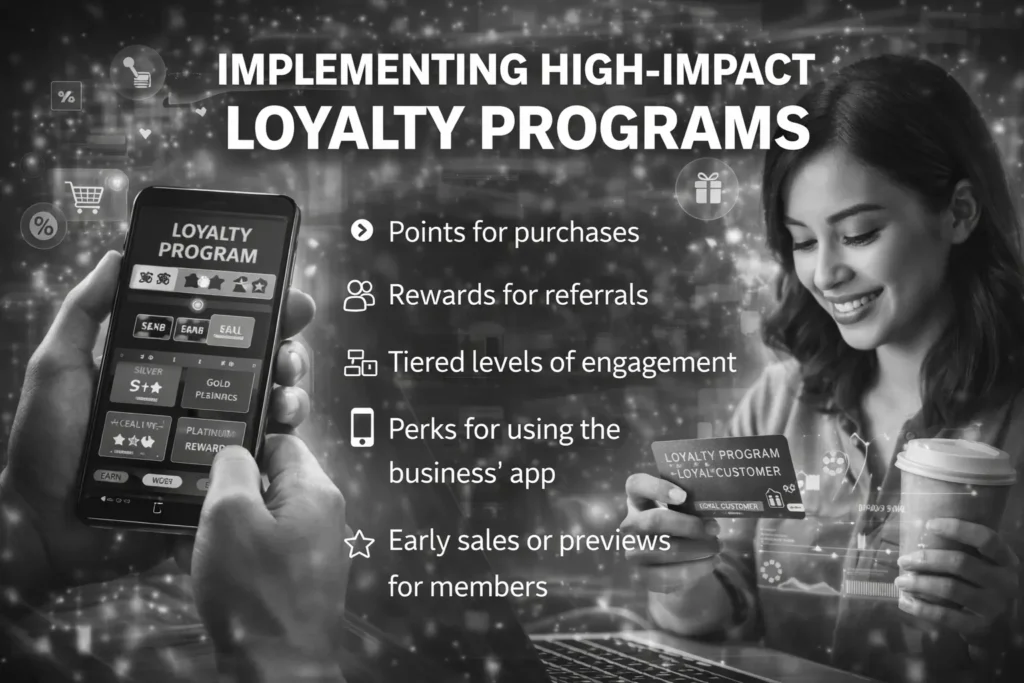
Loyalty programs remain one of the most effective ways to retain customers and encourage repeat purchases. In the digital era, these programs have evolved to include personalized rewards, gamification, and exclusive experiences. Customers are more likely to stay engaged with brands that recognize and reward their loyalty. A well-designed loyalty program can significantly increase customer lifetime value. It also creates a sense of belonging and appreciation among customers.
Popular types of loyalty programs include:
- Points-based rewards systems
- Referral incentives
- Tiered membership programs
- App-exclusive perks
- Early access to sales and products
To succeed, loyalty programs must offer real value and be easy to use. Businesses should focus on creating seamless redemption processes and personalized rewards. Digital integration, such as mobile apps and real-time tracking, enhances user experience. By continuously optimizing loyalty programs, brands can drive deeper engagement and long-term loyalty.
Conclusion
Building customer loyalty in the new era of marketing requires a strategic and customer-centric approach. Businesses must leverage data, technology, and human connection to create meaningful experiences. By focusing on personalization, digital presence, and value-driven engagement, companies can foster strong relationships with their audience. Loyalty is no longer just about rewards it’s about delivering consistent value at every touchpoint. Brands that embrace these strategies will be well-positioned for long-term success.
As the marketing landscape continues to evolve, customer expectations will only grow. Businesses that prioritize loyalty will not only retain customers but also turn them into advocates. By implementing the strategies outlined in this guide, companies can stay ahead of the competition. The future belongs to brands that understand and value their customers. Now is the time to invest in building lasting customer loyalty.
FAQs
1. What is customer loyalty in digital marketing?
Customer loyalty in digital marketing refers to a customer’s ongoing preference and commitment to a brand based on positive experiences, trust, and value. It goes beyond repeat purchases and includes emotional connection, brand advocacy, and engagement across digital channels. In 2026, loyalty is driven by personalization, seamless user experiences, and consistent communication. Brands that deliver value at every touchpoint are more likely to retain loyal customers. Ultimately, it’s about building long-term relationships rather than short-term transactions.
2. How can businesses improve customer loyalty in 2026?
Businesses can improve customer loyalty by leveraging data-driven personalization, enhancing digital experiences, and offering meaningful rewards. Customers expect brands to understand their preferences and provide tailored recommendations. Investing in CRM tools, loyalty programs, and omnichannel engagement is essential. Transparency, trust, and strong customer support also play a crucial role. By focusing on customer-centric strategies, businesses can build lasting loyalty in a competitive digital landscape.
3. Why are loyalty programs important for customer retention?
Loyalty programs incentivize repeat purchases and strengthen the relationship between customers and brands. They provide rewards, exclusive benefits, and personalized offers that make customers feel valued. In 2026, modern loyalty programs go beyond points to include experiences and digital perks. These programs increase customer lifetime value and reduce churn. When designed effectively, they turn occasional buyers into long-term brand advocates.
4. What role does personalization play in customer loyalty?
Personalization is a key driver of customer loyalty in the digital era. Customers are more likely to engage with brands that offer relevant content, recommendations, and offers. By using data analytics and AI-driven insights, businesses can create highly customized experiences. This not only improves customer satisfaction but also increases conversion rates. Personalized interactions make customers feel understood and appreciated, fostering stronger brand loyalty.
5. How does digital presence impact customer loyalty?
A strong digital presence ensures that customers can easily find, interact with, and trust your brand. Websites, social media, and digital content serve as primary touchpoints for engagement. Consistent branding, valuable content, and responsive communication enhance customer experience. Poor digital presence can lead to lost opportunities and decreased trust. In 2026, businesses must maintain an active and optimized digital presence to build and sustain customer loyalty.