Introduction: Why Digital Transformation Matters for Startups
The startup ecosystem is evolving faster than ever. From AI-driven platforms to cloud-based solutions, technology is reshaping how startups operate, compete, and scale. Digital transformation leadership is no longer optional; it is a necessity. Founders and executives who lead with a digital-first mindset position their startups for long-term success. Through the right digital systems, companies can streamline operations, enhance customer engagement, and unlock new revenue streams. These changes don’t just optimize performance; they also form the foundation of effective startup growth strategies that drive measurable impact in competitive markets. Startups today face challenges of speed, scalability, and sustainability. To overcome these, leaders must merge innovation with adaptability. By investing in digital transformation early, startups can align technology with their mission, reduce inefficiencies, and create a culture of continuous improvement that promotes rapid growth.
Digital Transformation Leadership: The New Business Imperative
In today’s digital economy, leadership goes beyond decision-making, it is about vision, agility, and empowerment. Digital transformation leadership enables startups to identify emerging technologies and implement them in ways that deliver value. Leaders who prioritize transformation recognize that technology alone isn’t enough; it must align with business objectives and customer needs. This combination ensures consistent growth, innovation, and resilience. Startups that adopt these principles often outperform competitors who rely on traditional management models. Digital leadership is also deeply tied to startup growth strategies, as it encourages leaders to experiment, pivot, and evolve. Startups must foster a mindset where failure is seen as learning, and digital tools are used to turn data into insights. The leaders who champion this approach don’t just build scalable businesses, they build organizations capable of reinventing themselves in real-time.
Building a Strong Digital Culture within Startups
A startup’s culture is its DNA. When digital transformation leadership shapes that culture, it ensures technology is embedded in every decision and process. Founders and executives must lead by example, encouraging teams to adopt new tools and workflows that increase productivity. This digital-first approach helps startups operate efficiently while remaining innovative. The right digital culture promotes transparency, collaboration, and adaptability, three pillars essential for growth. Embedding digital values within company culture enhances employee engagement and creativity. It gives teams the confidence to take risks, automate repetitive tasks, and focus on strategic thinking. As startup growth strategies evolve, culture becomes a competitive differentiator. When employees are empowered to use technology effectively, they become the drivers of innovation, enabling startups to stay lean, agile, and customer-focused.
The Link Between Technology Adoption and Market Expansion
For startups, the ability to scale quickly depends on how effectively they adopt technology. Leaders who understand digital transformation can identify the right tools and platforms to achieve market readiness. This includes cloud infrastructure, automation systems, and customer analytics tools that streamline operations and improve decision-making. A well-structured tech adoption plan allows startups to expand into new regions and industries faster than ever before. Market expansion also requires foresight and planning. By integrating digital tools, startups gain access to valuable insights about customer behavior, competitor trends, and operational bottlenecks. These insights directly support startup growth strategies by enabling data-driven decision-making. When used correctly, technology becomes a growth accelerator that reduces costs and enhances scalability.
Data-Driven Decision Making for Sustainable Growth
Data is the lifeblood of modern startups. It drives smarter marketing, product development, and strategic planning. Through digital transformation leadership, startups can harness the power of analytics to make informed decisions and reduce uncertainty. Data-driven insights allow founders to understand what’s working, identify gaps, and optimize performance in real time. From tracking user engagement to forecasting market trends, data helps startups stay one step ahead of the competition. A robust data strategy ensures long-term sustainability. Leaders who embrace data-driven thinking can create adaptable startup growth strategies that evolve with customer needs. Rather than relying on intuition alone, decisions are guided by metrics, feedback, and experimentation. This approach builds a foundation for consistent growth while maintaining agility in a fast-paced digital landscape.
Leveraging AI and Automation for Scalability
Artificial intelligence and automation are no longer future trends, they’re current necessities. For startups aiming to scale efficiently, automation helps reduce manual workloads, improve accuracy, and speed up delivery. AI, on the other hand, enables predictive insights, personalization, and intelligent resource allocation. Leaders with a clear understanding of digital transformation use these tools strategically to maximize impact. The integration of AI and automation is a cornerstone of modern startup growth strategies. Startups that leverage these technologies can outperform competitors by achieving scalability without sacrificing quality. Automation tools allow small teams to accomplish more, while AI provides a deeper understanding of market trends and customer behavior. Together, they form the technological backbone of efficient and sustainable growth.
Fostering Innovation through Tech Leadership
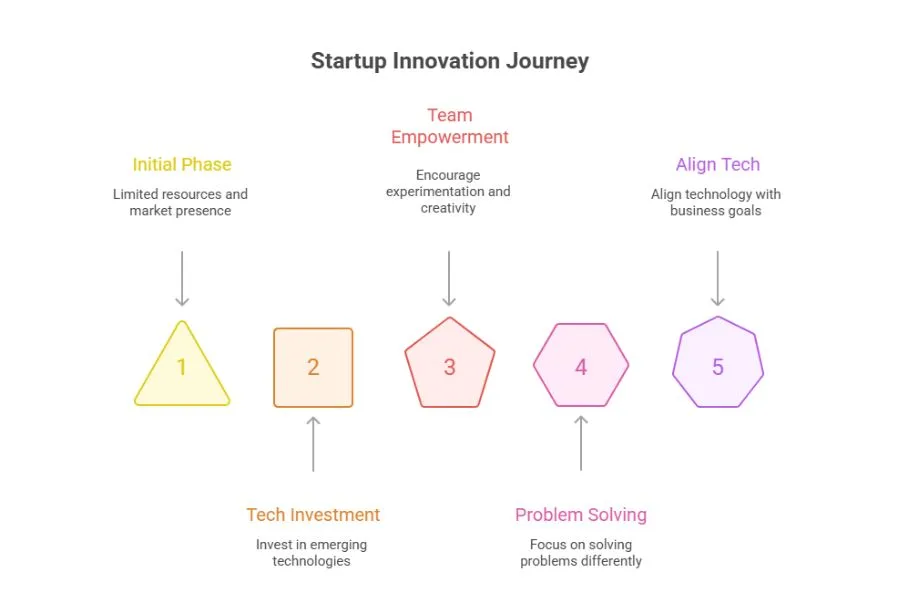
Digital transformation leadership is synonymous with innovation. It creates an environment where creativity thrives and new ideas are encouraged. Leaders who invest in emerging technologies and empower their teams to experiment often produce groundbreaking solutions. Innovation isn’t just about creating new products, it’s about solving problems differently. By embracing innovation as part of their leadership approach, startups can continuously adapt and stay relevant. Innovation-driven startup growth strategies focus on aligning technology with business goals. This ensures that each innovation serves a clear purpose and contributes to long-term success. When leaders prioritize innovation, they also attract top talent who want to be part of forward-thinking organizations.
Integrating Sustainability into Digital Transformation
As startups embrace digital transformation, sustainability must be at the forefront. The modern consumer values responsible business practices that consider environmental and social impacts. By adopting green technologies, reducing energy consumption, and prioritizing ethical innovation, startups can differentiate themselves in crowded markets. Digital transformation leadership involves finding the balance between progress and responsibility. Integrating sustainability aligns with effective startup growth strategies, as it enhances brand trust and customer loyalty. Sustainable digital practices not only benefit the planet but also drive operational efficiency, reduce costs, and appeal to conscious consumers.
The Role of Leadership Vision in Startup Growth
Visionary leadership is the guiding force behind every successful startup. Digital transformation leadership extends this vision by ensuring technology aligns with the organization’s long-term goals. Startups that lack clear vision often struggle to maintain focus as they grow. Leaders must define a clear mission, supported by digital systems that enable execution at scale. A strong vision gives teams direction and purpose, encouraging collaboration and consistency. When aligned with startup growth strategies, leadership vision translates into measurable progress. It ensures every initiative, whether in marketing, product development, or customer service, contributes to sustainable expansion.
Enhancing Collaboration and Agility
Startups thrive on collaboration and agility. Digital transformation leadership enables teams to work efficiently across time zones, platforms, and functions. Cloud-based tools, real-time communication platforms, and project management systems enhance coordination. Agility ensures startups can pivot quickly in response to market changes or customer demands. Collaboration tools remove barriers and encourage knowledge sharing, making startups more resilient. Agility also complements startup growth strategies by creating flexible systems that adapt to new opportunities. Teams can test, iterate, and scale faster when communication and processes are seamless.
Digital Customer Experience: The Key to Retention
Customer experience defines a startup’s success. In the digital age, users expect fast, personalized, and seamless interactions. Through digital transformation leadership, startups can integrate tools like CRM systems, chatbots, and analytics to deliver superior service. Data insights help identify customer pain points and preferences, enabling continuous improvement. A positive digital experience encourages repeat engagement and referrals. Effective startup growth strategies focus on nurturing customer relationships through meaningful digital experiences. When startups invest in customer-centric innovation, they create loyalty that fuels long-term profitability.
Measuring Impact: The Metrics That Matter
For startups, growth without measurement is guesswork. Leaders must identify the right performance indicators to track progress. Metrics such as customer acquisition cost, retention rate, revenue growth, and digital engagement reveal how effective transformation efforts are. Analytics tools can provide visibility into what’s driving results and what needs refinement. Measuring outcomes helps startups allocate resources wisely and refine their startup growth strategies for better outcomes. By linking data to decision-making, leaders ensure every investment supports growth and innovation.
Overcoming Challenges in Digital Transformation
While the benefits are vast, digital transformation is not without obstacles. Startups often face budget constraints, technical limitations, and resistance to change. Leaders must navigate these challenges with clarity and resilience. Effective communication, training, and phased implementation can reduce friction and ensure adoption. Maintaining focus on long-term value helps startups overcome short-term setbacks. Digital transformation leadership requires patience, consistency, and vision. By prioritizing adaptability, startups can implement startup growth strategies that remain relevant even as technologies evolve.
Call to Action: Partner with Visionary Leaders
Digital transformation is a journey that requires strong leadership and collaboration. If you’re ready to explore new ways to accelerate your startup’s digital growth or want expert guidance, visit mustasamabbasi.com/contact. Whether you’re seeking mentorship, consulting, or speaking opportunities, Mustasam Abbasi can help you create a roadmap that integrates innovation with sustainable success.
FAQs
What is digital transformation leadership?
It’s the ability to align technology with business strategy, ensuring digital tools support growth, efficiency, and innovation.
How does digital leadership affect startup growth?
It enables startups to scale faster, operate efficiently, and adapt to market changes through data and technology.
What are the core elements of startup growth strategies?
They include agility, innovation, customer focus, and data-driven decision-making—all powered by digital systems.
Why is data important in digital transformation?
Data helps startups make informed choices, measure performance, and refine strategies for consistent growth.
How can startups stay competitive in a digital world?
By fostering innovation, embracing new technologies, and developing adaptable business models.
Conclusion
Digital transformation leadership is the backbone of modern startup success. It’s what turns ideas into scalable, impactful businesses. By aligning vision, technology, and culture, startups can create powerful startup growth strategies that lead to lasting success. Mustasam Abbasi continues to champion the integration of digital transformation, innovation, and mentorship as key forces shaping the future of work. Whether you’re leading a startup or building one, now is the time to invest in digital transformation and shape your path toward a future-ready business.