The modern workplace in 2026 looks very different from what it was just five years ago. Organizations are using smart systems, workforce data tools, and advanced HR software to manage employees more efficiently. Hiring is faster. Performance tracking is more accurate. Training is more personalized.
But here is the truth: technology alone does not create successful organizations. People do.
Future HR skills 2026 are essential because HR professionals now sit at the center of business growth, employee wellbeing, and organizational strategy. Companies that successfully combine digital systems with strong leadership see better employee retention, higher productivity, and stronger company culture.
Employees today expect smooth digital processes. They want easy applications, clear performance tracking, flexible work options, and growth opportunities. At the same time, they want fairness, empathy, trust, and meaningful work.
HR professionals in 2026 must manage both sides. They must understand technology deeply while protecting human values inside the workplace.
The Shift: From Traditional HR to Strategic Workforce Leadership
In the past, HR departments focused mainly on payroll, attendance, compliance, and documentation. These responsibilities are still important, but automated systems now handle much of the administrative workload.
This shift allows HR professionals to focus on strategic leadership.
Instead of only solving employee problems, modern HR leaders now:
- Plan future workforce needs
- Identify skill shortages before they happen
- Improve employee engagement
- Support company growth strategies
- Build strong workplace culture
HR in 2026 is proactive, not reactive. It predicts challenges and prepares solutions before problems grow.
Strategic HR professionals align people strategies with business goals. They understand how talent directly impacts revenue, innovation, and customer satisfaction. This transformation has made HR one of the most influential departments in any organization.
12 Essential Future HR Skills 2026 Every Professional Must Develop
1. Digital Literacy and HR Technology Skills
Digital literacy is no longer optional. Every HR professional must understand how modern HR platforms work. Recruitment systems, performance dashboards, attendance software, payroll tools, and learning platforms are connected through digital ecosystems.
HR professionals must be comfortable:
- Using cloud-based HR systems
- Managing employee databases
- Understanding dashboard metrics
- Protecting sensitive employee information
- Evaluating new HR software vendors
It is not enough to click buttons. HR leaders must understand how systems support business decisions. They must know what data means and how it impacts workforce planning.
Technology should support human decision-making. HR professionals must ensure that digital tools improve fairness, speed, and accuracy without removing empathy from leadership.
2. Workforce Analytics and Data Understanding
Data is one of the strongest tools available to HR professionals in 2026. Companies use workforce analytics to understand employee behavior, productivity trends, and retention risks.
For example, HR can analyze:
- Why employees leave
- Which departments have higher engagement
- Which training programs improve performance
- Where skill gaps exist
- Whether pay structures are fair
Understanding data allows HR to make evidence-based decisions instead of relying only on instinct.
However, data must be interpreted carefully. Numbers show patterns, but they do not tell the full story. HR professionals must combine analytics with real conversations and human understanding.
Data literacy builds credibility. When HR presents clear metrics to executives, leadership trusts HR decisions more strongly.
3. Human-Centered Leadership
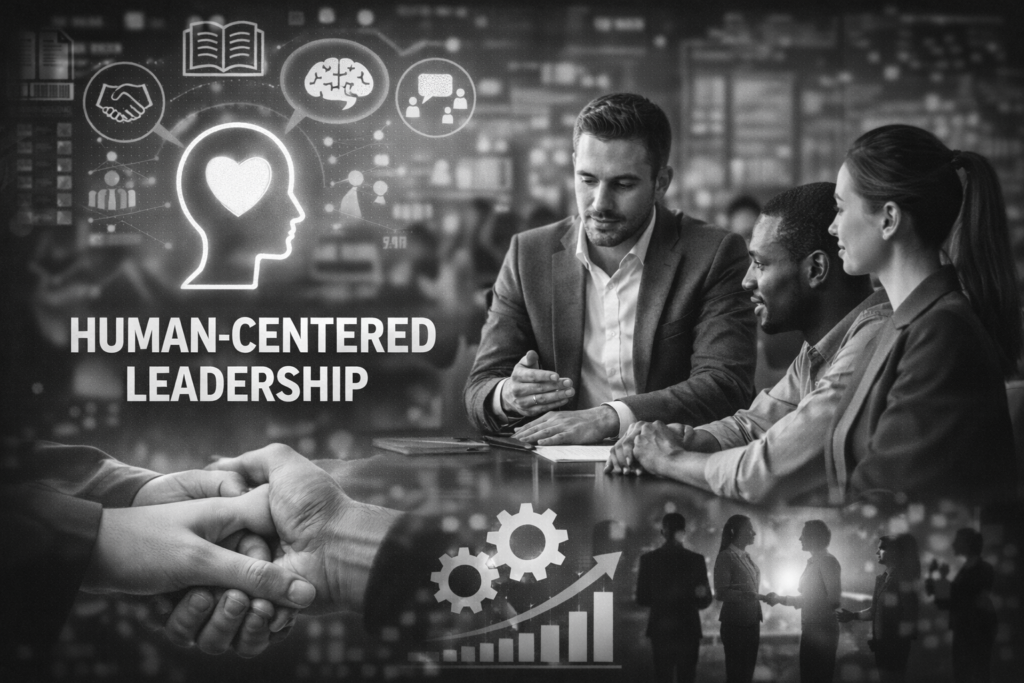
As workplaces become more digital, human leadership becomes even more important. Employees experience uncertainty when roles evolve or systems change. They may feel anxious about automation or job security.
HR professionals must:
- Communicate change clearly
- Listen actively to employee concerns
- Provide emotional support
- Build psychological safety
- Encourage open discussion
Human-centered leadership means treating employees as individuals, not numbers.
In 2026, employees value authenticity. They want leaders who understand their challenges. HR must promote trust, inclusion, and fairness across all departments.
When people feel respected and heard, productivity naturally increases.
4. Ethical Use of Workplace Technology
With more technology comes greater responsibility. HR professionals must ensure that recruitment systems, evaluation tools, and workforce analytics remain fair and unbiased.
Ethical HR leadership includes:
- Preventing discrimination in hiring
- Ensuring equal opportunities
- Protecting employee privacy
- Following labor laws
- Reviewing automated decisions carefully
Technology should never replace accountability. HR must regularly review systems to ensure fairness and transparency.
Organizations that maintain strong ethical standards protect their brand reputation and build long-term employee trust.
5. Continuous Learning and Skill Development
The skills needed in 2026 are evolving rapidly. Many roles require new technical knowledge and adaptability.
HR professionals must design learning environments that support:
- Regular skill upgrades
- Personalized development plans
- Online training access
- Career progression pathways
- Internal mobility opportunities
Continuous learning keeps employees competitive and motivated.
Instead of offering training once a year, modern HR creates ongoing development programs. Learning becomes part of daily work life.
Companies that invest in employee growth see higher retention and stronger innovation.
6. Modern Talent Acquisition Strategies
Hiring strategies in 2026 must be efficient and strategic. Competition for skilled professionals is intense.
HR professionals must:
- Build strong employer brands
- Improve candidate experience
- Use structured interviews
- Promote diversity in hiring
- Develop long-term talent pipelines
A strong recruitment strategy focuses not only on filling positions but on finding candidates who align with company culture and long-term goals.
Recruitment success depends on clarity, fairness, and speed.
7. Performance Management Innovation
Traditional annual reviews no longer meet modern workplace needs. Employees expect regular feedback and development support.
Effective performance systems in 2026 include:
- Clear goal alignment
- Ongoing feedback conversations
- Skills-based assessments
- Recognition programs
- Growth-focused discussions
Performance management should encourage development, not create fear.
Continuous feedback helps employees improve faster and stay motivated.
8. Employee Wellbeing Integration
Employee wellbeing directly affects performance. Long hours, digital overload, and remote isolation can cause burnout.
HR must design policies that support:
- Flexible working arrangements
- Mental health programs
- Work-life balance
- Stress management resources
- Supportive leadership culture
Wellbeing initiatives are not extra benefits. They are business necessities.
Healthy employees are more productive, creative, and loyal.
9. Change Management Expertise
Organizations constantly evolve. New systems, new markets, and new structures require strong change leadership.
HR professionals must guide employees through transitions by:
- Explaining the reasons behind change
- Offering training and support
- Listening to feedback
- Addressing resistance calmly
- Monitoring progress
Change succeeds when employees feel included and informed.
Strong communication reduces fear and builds cooperation.
10. Business and Financial Understanding
HR professionals must understand how business operates. Knowing financial goals and market trends allows HR to align workforce strategies with company growth.
Important areas include:
- Budget planning
- Workforce cost analysis
- Return on investment for HR programs
- Revenue impact of talent decisions
- Executive reporting
When HR understands business metrics, it becomes a strategic partner rather than just an operational department.
11. Remote and Hybrid Workforce Management
Hybrid and remote work remain common in 2026. HR must manage distributed teams effectively.
This includes:
- Building digital culture
- Ensuring clear communication
- Tracking performance fairly
- Supporting remote engagement
- Managing compliance across regions
Remote leadership requires structure, trust, and flexibility.
Strong digital collaboration systems help teams stay connected despite physical distance.
12. Innovation and Adaptability
The most successful HR professionals remain adaptable. Workplace trends change quickly, and policies must evolve accordingly.
Innovation involves:
- Testing new HR initiatives
- Collecting employee feedback
- Improving processes regularly
- Learning from global best practices
- Encouraging creative thinking
Adaptable HR leaders stay ahead of change instead of reacting late.
Continuous improvement ensures long-term relevance.
Conclusion: The Future of HR in 2026 and Beyond
The future of HR is about balance. Technology improves efficiency, but human leadership builds culture.
Future HR skills 2026 combine digital understanding, ethical responsibility, business strategy, and emotional intelligence. HR professionals who develop these competencies will lead organizations confidently through uncertainty and growth.
The workplace will continue to evolve. The professionals who grow with it will shape the future of work itself.
FAQ
1. What are the top HR trends shaping 2026?
The top HR trends in 2026 include digital workforce management, data-driven decision-making, continuous learning programs, hybrid work models, and employee wellbeing strategies. Organizations are focusing more on skill-based hiring, performance transparency, and long-term talent planning. HR professionals who understand these trends can help companies stay competitive and future-ready.
2. How can HR professionals stay competitive in 2026?
HR professionals can stay competitive by continuously upgrading their digital skills, learning workforce analytics, improving communication abilities, and understanding business strategy. Attending webinars, earning HR certifications, joining professional networks, and following industry research also help professionals stay informed and relevant.
3. Is remote work still important for HR strategy in 2026?
Yes, remote and hybrid work models remain important in 2026. Many organizations continue to offer flexible work options to attract and retain talent. HR professionals must develop policies that support productivity, employee engagement, data security, and fair performance evaluation for remote teams.
4. Why is employee experience a priority in modern HR?
Employee experience directly impacts retention, productivity, and company reputation. When employees feel supported, heard, and valued, they perform better and stay longer. HR in 2026 focuses on improving onboarding, career growth opportunities, feedback systems, and workplace culture to create positive employee experiences.
5. How does workforce planning help organizations grow?
Workforce planning helps companies prepare for future skill needs and business expansion. By analyzing workforce data, HR professionals can identify talent gaps, plan recruitment strategies, and invest in training programs. Strategic workforce planning ensures organizations are ready for market changes and long-term success.