Introduction
Preventive health has always been important, but today it is becoming more powerful thanks to advanced digital tools and intelligent systems. Technology now allows us to detect risks, personalize care, and predict potential illnesses long before they become serious. This shift is reshaping healthcare and helping people live healthier, longer lives. As global systems move toward early detection and smarter decision-making, organizations, leaders, and innovators are increasingly exploring how technology can be used to transform health outcomes. This growing momentum also aligns with wider trends in Digital innovation insights, Future of work technology, and Technology for social impact. As more industries adopt data-driven approaches, healthcare becomes one of the most exciting spaces for transformation. Predictive tools and intelligent algorithms are creating opportunities for personalized care, sustainable technology practices, and efficient public health systems. By combining technical expertise with human-centered thinking, we can create health ecosystems that are more proactive, inclusive, and future-ready.
How Ai in preventive healthcare Is Transforming Modern Healthcare
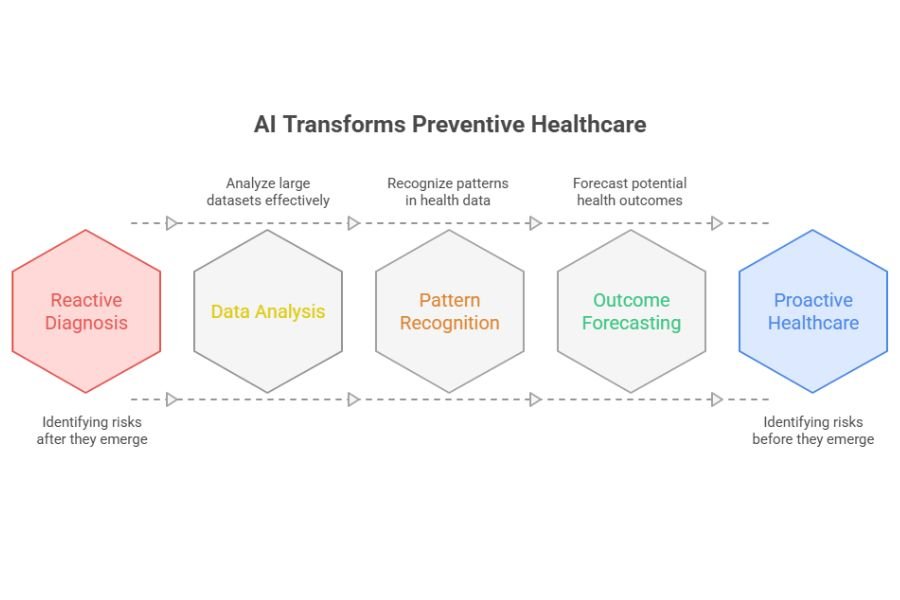
The preventive health model is shifting from reactive diagnosis to proactive intelligence, empowering healthcare professionals to identify risks before they emerge. Many leaders are integrating tech leadership strategies to create systems that can analyze large datasets, recognize patterns, and forecast potential health outcomes. This has unlocked new efficiency levels in screening, early detection, and population health management. What once required manual tracking and regular hospital visits can now be monitored through seamless digital workflows and automated alerts. This transformation also supports Global business transformation efforts in the health sector. Hospitals, startups, and public institutions are adopting new tools that improve speed, accuracy, and decision-making. Healthcare providers gain a clearer understanding of patient needs, and policymakers receive stronger data for long-term planning. These advancements are also improving access to early care in developing countries, where data-driven insights create faster and more reliable health interventions.
Personalized Early Detection Through Ai in preventive healthcare
Early detection has traditionally relied on basic screenings and self-reported symptoms, but intelligent systems now bring deeper, more reliable insights. With advanced data analysis, individual health patterns can be studied in real time, giving experts a clearer picture of what might happen next. This helps identify subtle changes that may signal a future condition long before noticeable symptoms appear. It also supports Digital transformation leadership as organizations adopt smarter diagnostic tools. This personalized approach is especially valuable in chronic disease prevention. Data insights help classify risk profiles, tailor care plans, and reduce the chances of long-term complications. As people become more health-conscious, these tools offer an empowering way to track well-being and make informed decisions. Providers also benefit by offering better-quality care and reducing unnecessary medical costs.
Improving Population Health Systems With Ai in preventive healthcare
Public health systems are seeing major improvements as intelligent models help track disease outbreaks, lifestyle patterns, and environmental impacts. These systems can alert authorities about potential health threats before they spread across communities. It is an essential step for Future-ready business leaders working in healthcare policy, insurance, and community development. Large-scale insights also support sustainable technology practices, enabling governments and organizations to allocate resources more efficiently. Such tools can also help bridge healthcare gaps in underserved regions. With accurate predictions and timely interventions, communities with limited medical infrastructure gain better access to preventive services. Leaders working on cross-border business expansion and humanitarian programs often use these insights to design more inclusive, effective health strategies.
Enhancing Clinical Workflows Using Ai in preventive healthcare
Healthcare systems often struggle with administrative load, slow data processing, and outdated frameworks. Intelligent prediction models help reduce these inefficiencies by providing instant risk assessments and automated alerts. These systems give medical staff more time to focus on patient care instead of paperwork. This directly aligns with Emerging tech trends 2025 and their influence on modern clinical operations. Additionally, clinical decision support improves significantly when intelligent tools highlight potential health issues. Whether it’s updating care plans, prioritizing urgent cases, or identifying unusual test results, smarter workflows help physicians address concerns before they escalate. This not only reduces medical errors but builds stronger trust between patients and their healthcare providers.
Supporting Preventive Lifestyle Management With Ai in preventive healthcare
Daily habits play a crucial role in long-term health, and smart tools help track vital signs, sleep patterns, nutrition, and activity levels. These insights motivate individuals to take preventative actions, shifting healthcare from treatment to wellness. People can modify their routines more effectively when they understand how their choices impact future risks. This supports Technology for social impact as personal well-being becomes easier to manage. Data-driven lifestyle tracking tools also encourage continuous improvement rather than reaction. Instead of waiting for symptoms, individuals receive timely nudges and suggestions to maintain healthier behaviors. This contributes to Startup growth strategies for companies building wearables, wellness platforms, and digital health ecosystems.
Reducing Healthcare Costs via Ai in preventive healthcare
Preventive models significantly reduce long-term healthcare costs by identifying risks early and reducing the need for expensive treatments. Organizations benefit from fewer hospitalizations, optimized clinical workflows, and more efficient resource allocation. These improvements align with Building innovation culture, especially within insurance companies and health-focused enterprises. Cost savings also encourage widespread adoption across governments, hospitals, and companies. When systems are optimized, everyone benefits—from patients to policymakers. This shift supports more sustainable health systems, ensuring that quality care remains accessible for future generations.
Ai in preventive healthcare Driving Better Public Policy Decisions
Accurate health predictions help policymakers create long-term plans that improve national health outcomes. Leaders can identify which communities are at greater risk, which diseases are rising, and where new resources are needed. This is a powerful tool for Digital innovation insights and community planning. Public policy decisions become more proactive when informed by predictive trends rather than responding to crises. This approach strengthens health infrastructure, supports equitable care distribution, and promotes Inclusive technology innovation across the sector.
Enabling Smarter Screening Programs Through Ai in preventive healthcare
Screening programs traditionally require substantial time and resources, but predictive systems help streamline the process. These tools can highlight individuals at higher risk, ensuring they receive early attention without overwhelming healthcare staff. This aligns with AI leadership skills and the broader movement toward intelligent healthcare systems. Smarter screening also reduces unnecessary tests, saving both time and money for patients and organizations. Hospitals become more efficient, communities receive better care, and the overall burden on medical systems is reduced.
Human-Centered Design in Predictive Health
As systems become more advanced, it is crucial to maintain a human-focused approach. Healthcare involves empathy, trust, and clear communication—elements that technology cannot replace. Leaders must ensure tools are transparent, accessible, and easy for patients to understand, especially when dealing with predictive insights. Human-centered frameworks also support more effective adoption. When doctors, patients, and caregivers are included in the design process, systems become more intuitive and practical. This strengthens collaboration and builds confidence in predictive tools.
Data Privacy in Predictive Health Innovation
Protecting sensitive health data is essential for long-term success. Predictive models depend on accurate information, but users must feel confident that their personal data is secure. Strong data governance practices, encryption methods, and ethical guidelines create trust and reduce risks. Leaders must ensure transparency around data usage and give individuals control over their information. Trust is a foundational element of any preventive health system, and responsible practices ensure sustainable innovation.
The Role of Leaders in Next-Generation Preventive Health
Healthcare transformation requires strong leadership and clear strategic vision. Forward-thinking leaders embrace digital change, invest in training, and encourage innovation across their organizations. This mindset ensures the long-term success of predictive health tools. Leaders also play a crucial role in managing change within teams and institutions. By promoting open communication and continuous learning, they help medical staff adopt new tools confidently and effectively.
Challenges in Implementing Predictive Health Systems
While predictive tools offer many benefits, implementation can be complex. Organizations must invest in training, upgrade infrastructure, and manage data effectively. These challenges require coordinated efforts across teams and departments. Resource limitations, especially in developing regions, create additional barriers. However, global collaboration, mentorship for entrepreneurs, and policymakers’ support can accelerate adoption and build stronger health systems.
The Future of Predictive Health Innovation
Future health systems will be increasingly proactive, personalized, and data-driven. Predictive tools will integrate with wearable devices, home monitoring solutions, and public health networks. This will create a connected ecosystem that prioritizes prevention over treatment. As innovation continues, new tools will make health more accessible, affordable, and equitable. This evolution will benefit individuals, organizations, and communities worldwide.
Ready to Build the Future of Preventive Health?
For collaboration opportunities, healthcare innovation talks, or consulting inquiries, visit: mustasamabbasi.com/contact
Conclusion
Predictive health represents a new era of smarter, more proactive care. By embracing intelligent tools, sustainable practices, and people-centered approaches, we can build a healthier world where problems are addressed before they arise. Innovators, entrepreneurs, and visionaries like mustasam abbasi continue to inspire meaningful change, empowering individuals and organizations to shape the future of wellness. Now is the time to explore these possibilities, implement the strategies discussed, and join the movement toward a healthier, more intelligent future.
FAQs
What role does technology play in early disease detection?
Technology enhances early detection by analyzing large datasets, identifying subtle patterns, and highlighting risk factors long before symptoms appear. This helps caregivers and individuals take timely action to prevent complications.
How can businesses benefit from predictive health innovations?
Organizations gain lower healthcare costs, improved employee well-being, and better long-term planning. Predictive tools also create new opportunities for startups and tech companies entering the health sector.
Are predictive health tools reliable?
These tools are highly effective when trained on accurate, diverse datasets. They support decision-making but do not replace professional medical expertise.
What industries will benefit most from predictive health systems?
Healthcare, insurance, wellness, public health agencies, and technology companies will gain the most from improved prediction capabilities and proactive health models.
What skills do leaders need to support preventive health innovation?
Leaders need digital awareness, strategic vision, adaptability, and a strong understanding of innovation frameworks. Encouraging collaboration and continuous learning is essential.